Three common shipping challenges. A practical starting point for your next logistics plan.
These are illustrative service scenarios, not verified customer case studies or performance claims. Images are illustrative. Services, routing, timing, and pricing are confirmed for each shipment.
ILLUSTRATIVE SCENARIO / 01
MULTI-SUPPLIER CONSOLIDATION
Many suppliers. One coordinated departure.
The challenge
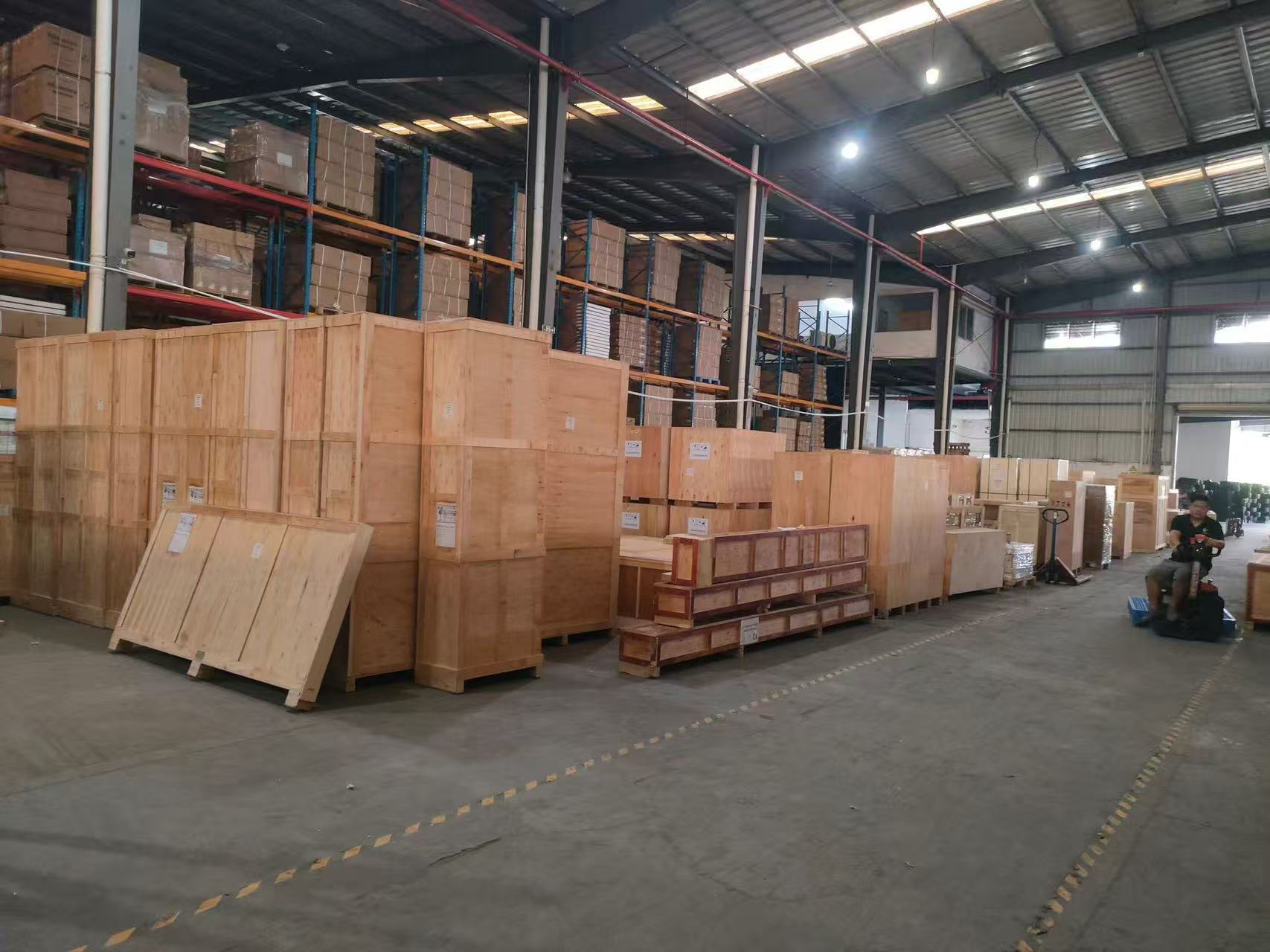
An overseas buyer sources goods from several factories in China. Different readiness dates, inconsistent carton information, and separate pickups make it difficult to plan a single departure.
A possible approach
Align supplier readiness
Collect supplier contacts, ready dates, carton counts, dimensions, and weights before arranging receiving.
Receive and reconcile
Compare received quantities with the supplied packing lists, record visible exceptions, and confirm discrepancies before consolidation.
Build the dispatch plan
Group cargo by destination and handling needs, review loading space, and coordinate release against the agreed booking.
Planning objective
A single receiving overview and a coordinated cargo release, with missing items or document gaps identified before dispatch.
A furniture shipment combines bulky items, delicate finishes, and components that need to remain together. Packaging and loading decisions must account for the cargo’s shape and handling limitations.
A possible approach
Review cargo sensitivity
Check dimensions, finishes, fragile parts, stacking limits, and existing packaging with the shipper.
Specify appropriate protection
Plan edge protection, cushioning, and cases or pallets where suitable; confirm destination packaging requirements before work starts.
Coordinate loading and handover
Review weight distribution, securing needs, and handling instructions, then prepare cargo and document handover for the selected freight service.
Planning objective
An agreed packing and loading plan that addresses the cargo’s vulnerable points and makes handling requirements clear.
Start with these details
Product photos, dimensions, gross weights, packaging details, quantities, and destination.
Complex equipment starts with a detailed move plan.
The challenge
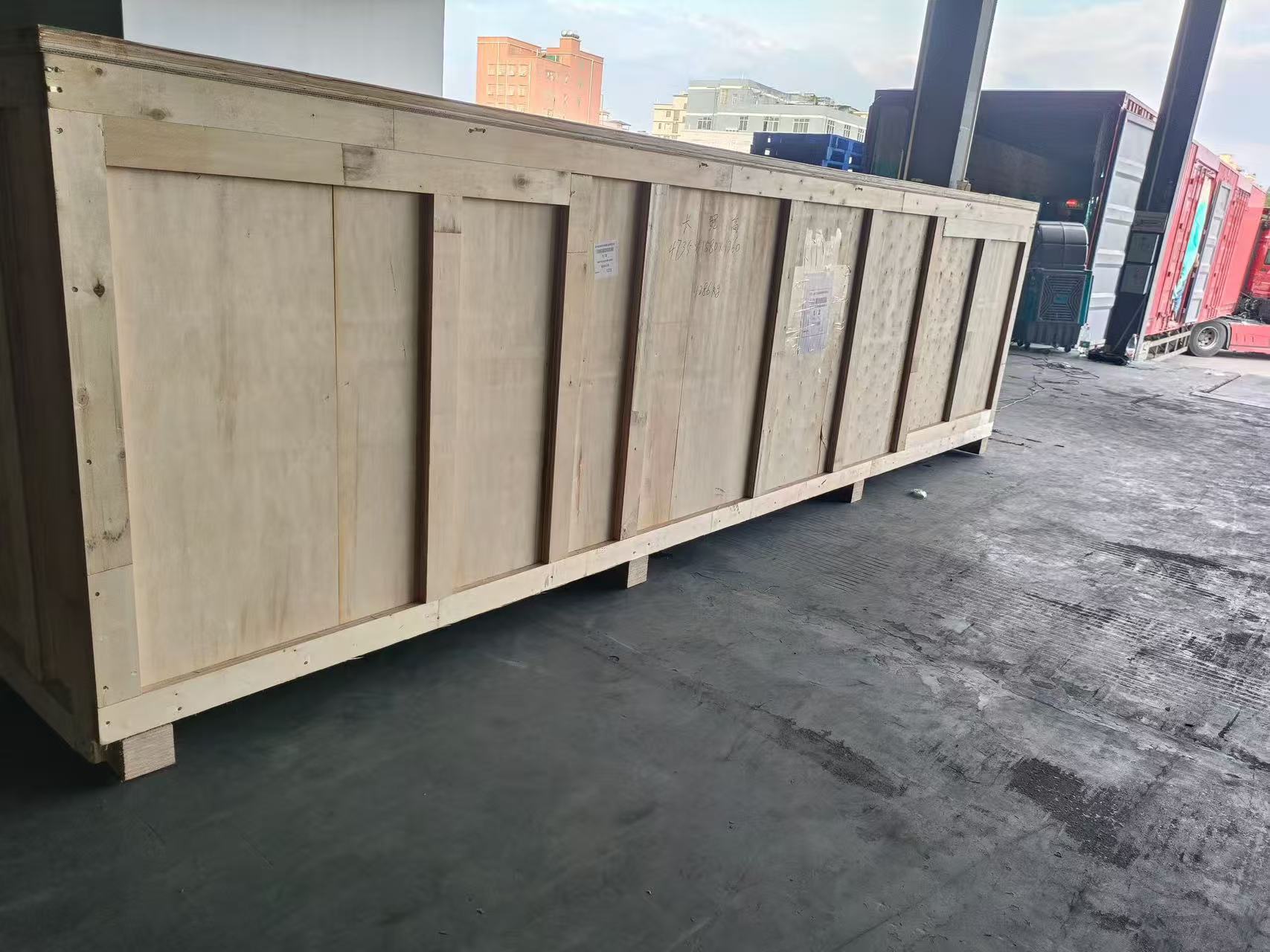
Industrial equipment may have an uneven center of gravity, sensitive surfaces, or dimensions that affect equipment selection. Planning requires more than a total shipment weight.
A possible approach
Establish the handling profile
Request technical dimensions, weight, lifting points, center-of-gravity information, and any restrictions provided by the manufacturer.
Coordinate packing and transport
Review the proposed packing, access requirements, and suitable transport options with the relevant service providers before confirming the move.
Prepare the handover
Align the cargo readiness date, packing information, document checklist, and agreed milestones so each party knows what is required.
Planning objective
A documented handling plan and clear responsibilities before booking and cargo release; feasibility depends on cargo and route assessment.
Start with these details
Technical drawings or photos, dimensions, weight, lifting instructions, origin, destination, and required delivery window.

 ILLUSTRATIVE SCENARIO / 01